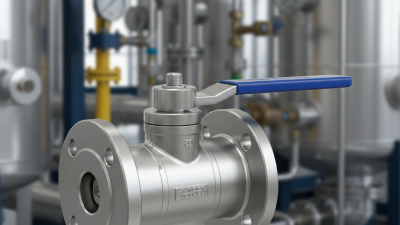
What Are the Top 10 Fire Valve Types for Global Buyers?

Choosing the right fire valve is not a simple catalog exercise. Global buyers must match valve design, pressure rating, connection method, and system purpose.

A warehouse sprinkler riser may require a supervised gate valve, while a compact plant room may favor a butterfly valve. Fire pumps, hydrant networks, foam systems, and deluge protection each create different operating demands. Some installations need rapid water release. Others require dependable isolation during inspection or maintenance. The surrounding environment matters too. Salt air, freezing temperatures, dust, and chemical exposure can shorten service life when materials are poorly selected.

This guide examines the top 10 fire valve types considered by international buyers. It compares their functions, advantages, limitations, and common application areas. The discussion includes alarm check valves, deluge valves, dry pipe valves, wet pipe valves, gate valves, butterfly valves, check valves, globe valves, pressure relief valves, and foam system valves. Names may vary across markets, so technical documents deserve careful review.

A reliable purchase should include tested performance data, clear installation instructions, traceable materials, and certification accepted in the target market. Local fire codes and project specifications still control the final choice. No single fire valve fits every building or hazard.

That is worth remembering.

In practice, selection errors often come from focusing only on price. A cheaper valve can create higher maintenance costs, delayed commissioning, or difficult spare-part sourcing. Experienced engineers usually assess the complete system, not one component. Even then, assumptions can fail. This guide therefore treats each valve as a practical decision, not an automatic recommendation.
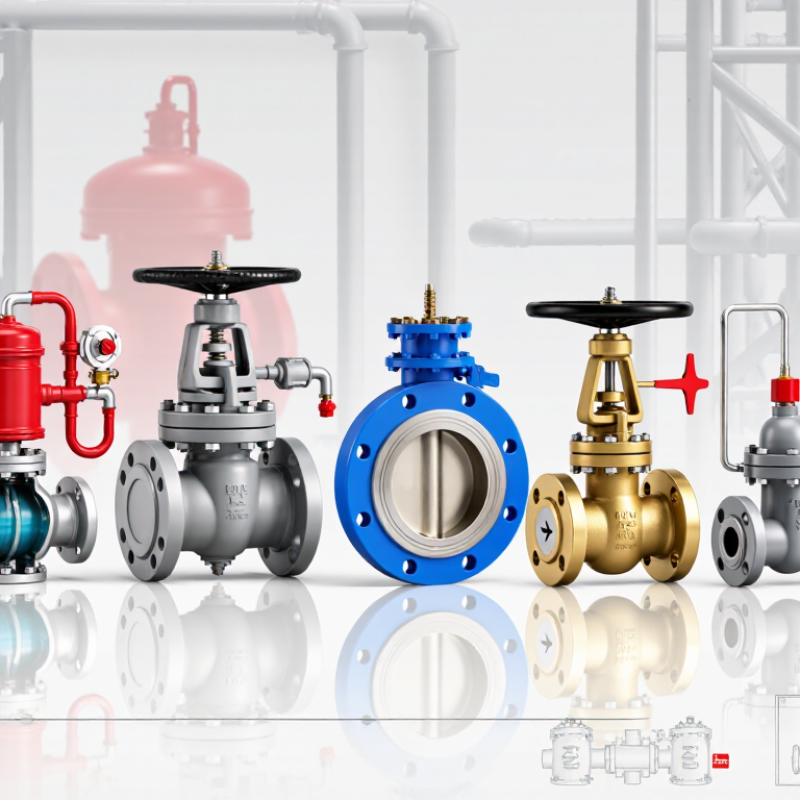
What Are the Top 10 Fire Valve Types for Global Buyers?

Fire Valve Basics: Purpose, Components, and Operating Principles

Fire valves control, direct, or stop water during a fire emergency. Global buyers commonly compare gate, butterfly, globe, check, alarm check, deluge, dry pipe, wet pipe, pressure-reducing, and angle valves. Each type serves a different system condition. A gate valve usually isolates a pipeline, while a check valve prevents reverse flow. Deluge valves release water quickly across open sprinklers after detection. Selection depends on pressure, temperature, pipe size, flow demand, and local approval requirements.

Most fire valves contain a body, seat, disc or clapper, stem, seals, and an operating mechanism. Some also include supervisory switches, trim assemblies, drains, and pressure gauges. In a wet system, water remains inside the piping, so opening a sprinkler allows immediate discharge. A dry system holds pressurized air until a sprinkler opens, reducing air pressure and releasing the valve. Alarm check valves use water movement to activate an alarm signal. Field experience shows that poor alignment, damaged seals, or hidden corrosion can delay operation. Small installation errors matter.

Tips: Check the valve’s pressure rating and flow direction before installation. Confirm that materials match the water quality and temperature. Test operating movement during scheduled inspections, not only after an emergency. Keep access clear around handwheels and drains. Certification is important, but it does not replace correct sizing or maintenance. I would also question any specification that lists a valve without system conditions.

How Fire Valve Types Differ by Design, Function, and Installation

What Are the Top 10 Fire Valve Types for Global Buyers?

Fire valve types differ mainly in design, function, and installation position. Gate valves use a rising or non-rising stem and a wedge gate for full-flow isolation. Globe valves regulate flow but create more resistance. Butterfly valves use a rotating disc, making them compact for large pipes. Ball valves provide quick shutoff through a quarter-turn handle. Check valves stop reverse flow with automatic disc movement. Alarm check valves also support waterflow alarm systems in wet installations. Deluge valves release water rapidly after a detection signal. Dry pipe valves hold pressurized air until heat opens a sprinkler. Pressure-reducing valves control excessive downstream pressure. Angle hose valves connect fixed piping with manual firefighting hoses.

Installation conditions often decide the best choice. A butterfly valve suits crowded pump rooms, while a gate valve needs more clearance for stem travel. Check valves require correct flow direction and stable pipe support. Deluge and dry pipe valves need careful testing, drainage, and compatible detection controls. Outdoor systems may need weather-resistant materials and protection against freezing. Small errors matter.

Tips: Confirm pressure rating, connection size, temperature range, flow direction, and maintenance access before purchasing. Ask for test certificates and installation instructions. Local fire authorities may require specific approvals, so verify them before shipment. In practice, drawings can look perfect, yet field alignment, vibration, or limited space may expose a poor selection. Recheck the actual site.

The Top 10 Fire Valve Types for Global Buyers

The Top 10 Fire Valve Types for Global Buyers

Choosing the right fire valve starts with the system, not the catalog. The ten common options are gate, butterfly, globe, ball, check, alarm check, deluge, dry pipe, preaction, and pressure-reducing valves. Gate and butterfly valves isolate sprinkler zones. Globe valves help regulate flow. Ball valves suit compact drain and test assemblies. Check valves prevent reverse flow, while alarm check valves trigger water-flow alarms. Deluge, dry pipe, and preaction valves control specialized systems. Pressure-reducing valves manage excessive inlet pressure.

Small details matter. A valve may fit the pipe but fail the project’s pressure class, temperature range, or approval requirements. Confirm face-to-face dimensions, connection standards, operating torque, and inspection access.

For example, a large butterfly valve needs enough clearance for its handle or gearbox. A dry pipe valve also requires correct air pressure and reliable trim components. These details are easy to overlook.

Tips: Request certified test records and installation instructions before purchase. Check compatibility with water quality, climate, and maintenance routines. Local fire authorities may require specific approvals, so verify them early. A neat specification can still miss field conditions. I have found that delivery timing, spare seals, and clear labeling deserve equal attention. They are not exciting, but they often decide whether installation proceeds smoothly.

Key Standards, Materials, and Certifications for International Markets

For global buyers, selecting a fire valve means matching performance, materials, standards, and certification.

The ten common types include gate, butterfly, globe, check, alarm check, deluge, dry pipe, wet pipe, pressure-reducing, and pressure-relief valves. Some are system-specific. Each type serves a different hydraulic or emergency function.

Materials affect service life and approval status.

Ductile iron suits many water-based systems and offers strong impact resistance. Carbon steel supports higher mechanical demands. Stainless steel performs better in corrosive or coastal environments. Bronze may suit smaller components and cleaner water supplies. EPDM seats commonly handle fire-water temperatures, while NBR may suit different fluid conditions. Material compatibility still requires verification.

Standards must match the destination market and installation design.

NFPA 13, NFPA 20, and NFPA 25 guide many international projects. EN 1074 and EN 12259 may apply to European installations. AWWA standards are relevant for selected waterworks valves. Certifications such as UL, FM, LPCB, CE, or UKCA depend on product scope and local requirements. A certificate alone is not enough. Buyers should check its exact model, pressure class, size range, and current validity.

Factory records, hydrostatic test reports, coating data, and traceable markings improve purchasing confidence.

One practical mistake is accepting a familiar certificate without checking local acceptance. That assumption can delay inspection. A careful buyer also reviews spare seals, actuator settings, and installation orientation before shipment. There is no universal approval path. Requirements differ, and even experienced teams sometimes need a second review.

How to Select the Right Fire Valve for a Specific Application

What Are the Top 10 Fire Valve Types for Global Buyers?

Selecting the right fire valve starts with the hazard, not the catalog.

Common choices include gate, butterfly, check, alarm check, deluge, dry-pipe, wet-pipe, globe, ball, and pressure-reducing valves.

Each design controls a different risk. A warehouse with cold storage may need dry-pipe valves. A flammable-liquid area may require deluge protection and rapid water release.

NFPA’s Fire Loss in the United States During 2023 report recorded about 1,504,500 fires and 23.3 billion dollars in direct property damage. These figures show why valve selection needs engineering evidence.

Review water flow, pressure, temperature, corrosion exposure, pipe size, and maintenance access. NFPA 13, NFPA 20, and NFPA 25 provide useful installation and inspection references. European projects may also require EN-based approvals. Local authority requirements still control the final decision. A valve can meet one standard and remain unsuitable for another application.

Tips:

Match the valve’s pressure rating to the pump test data. Check whether the body and trim suit humid, salty, or chemical environments. For a high-rise system, verify pressure zones carefully. A pressure-reducing valve may protect lower floors, but poor adjustment can restrict fire flow. Ask for tested flow curves and inspection records. Do not select by price alone. I have seen technically correct valves fail in practice because drainage, access, or replacement planning was ignored. Recheck the choice after the building layout changes.